No plug · No batteries · No app · Dinner still happens
A hand-wound feeding instrument for cats and dogs. Six covered portions of stainless steel, served one at a time by a spring and a two-hundred-year-old mechanism, on a schedule it keeps entirely by itself.
Beneath the case: a wound spring and a mechanical timer. You wind it by hand, as one winds a watch, and that turn of the wrist is the only power this instrument will ever require.
The manner of operation
Load. Wind. Walk away.
I
Load
Divide one meal among six stainless steel cups and set them into the carousel. Wet or dry, as your companion prefers.
II
Wind
Turn the winder as you would a fine kitchen timer. One wind holds everything the instrument needs to serve the entire meal.
III
Walk away
On the appointed minute, the mechanism unlocks, advances precisely one station, and locks again. A fresh covered portion presents itself.
The regulator
Two tempos. One switch.
Choose the pace at which dinner unfolds. At the standard tempo, a new portion arrives about every ten minutes, a full meal across the hour. At the leisurely tempo, about every twenty, the same meal stretched across two.
Give or take a minute or two. It is mechanical, and we consider that the charm.
~1 hr
one full meal · six portions
a portion arrives about every 10 minutes
A machine in the old sense of the word
It has no password.
It cannot be hacked, because there is nothing to hack. It cannot be bricked, because there is nothing to update. It will never demand a subscription, lose the wifi, or be discontinued by an app store. It is brass, steel, and a spring, and it answers only to the hand that winds it.
No firmware
No account
No cloud
No microphone
No obsolescence
On the matter of pace
Fast eaters are not greedy. They are merely fast. And it costs them.
Scarf and barf
A cat who inhales a full bowl often returns it promptly to the rug. Small portions, properly spaced, give the stomach a sporting chance against the appetite.
Weight management
Many veterinarians suggest several small meals in place of one or two large ones. Six timed portions turn that advice into something that simply happens, daily, without supervision.
Peace among housemates
Covered portions mean the fast eater cannot finish early and raid a companion's bowl. Only one window is ever open, and only at its appointed hour.
Dogs, presently
Gulping troubles dogs as much as cats, and in large breeds it is a genuine health concern. A grander version for dogs is in the works. The same mechanism, more generous portions.
The Cade Feeder is a feeding instrument, not a medical device. If your companion has a health condition, your veterinarian should design the feeding plan. We merely see that it runs on time.
The guarantee
Handmade. Repairable. Yours for good.
Handmade in New York. Each instrument is built, tuned, and tested by hand before it ships.
Stainless where it matters. Food touches only stainless steel. The cups go straight into the dishwasher.
No batteries, ever. Nothing to replace, recharge, or send to a landfill.
Every part replaceable. Should a piece wear or break, we send you that piece, not an advertisement for a new unit.
Guaranteed one year. Parts and craftsmanship, under normal use, replaced without ceremony.
The price
$150
the complete instrument · six stainless cups included
One-year guarantee. A mechanical part fails under normal use, we replace it free.
The waitlist privilege. Early members lock launch pricing and first-batch delivery.
The personal touch. Your companion's name, built into the lid, available at launch.
Live feeding trial · Prototype unitMitzy · Speed-eating specialist
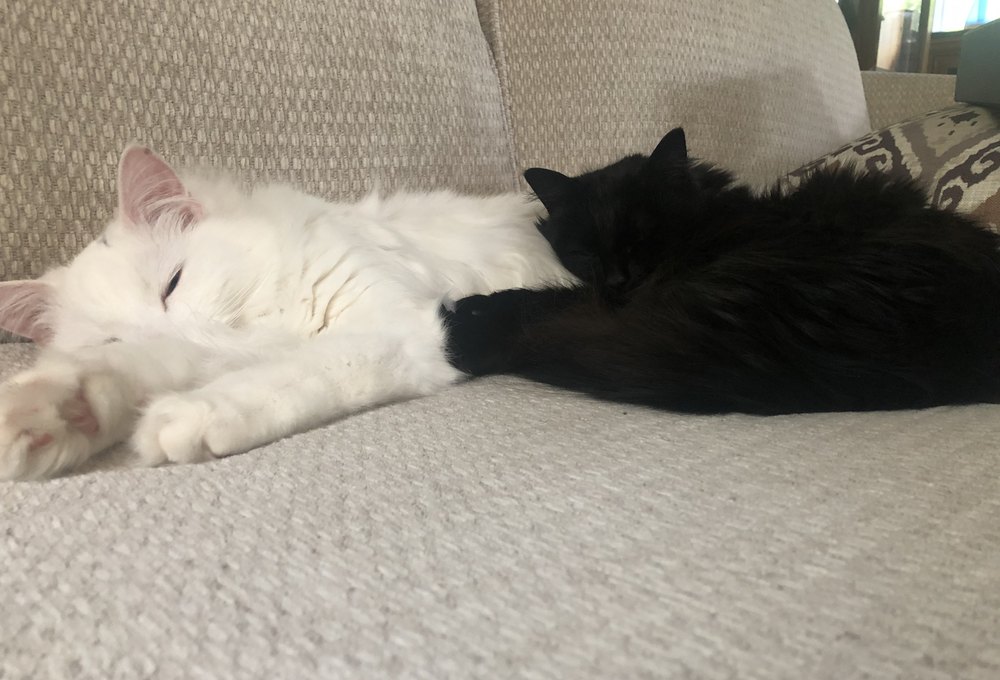
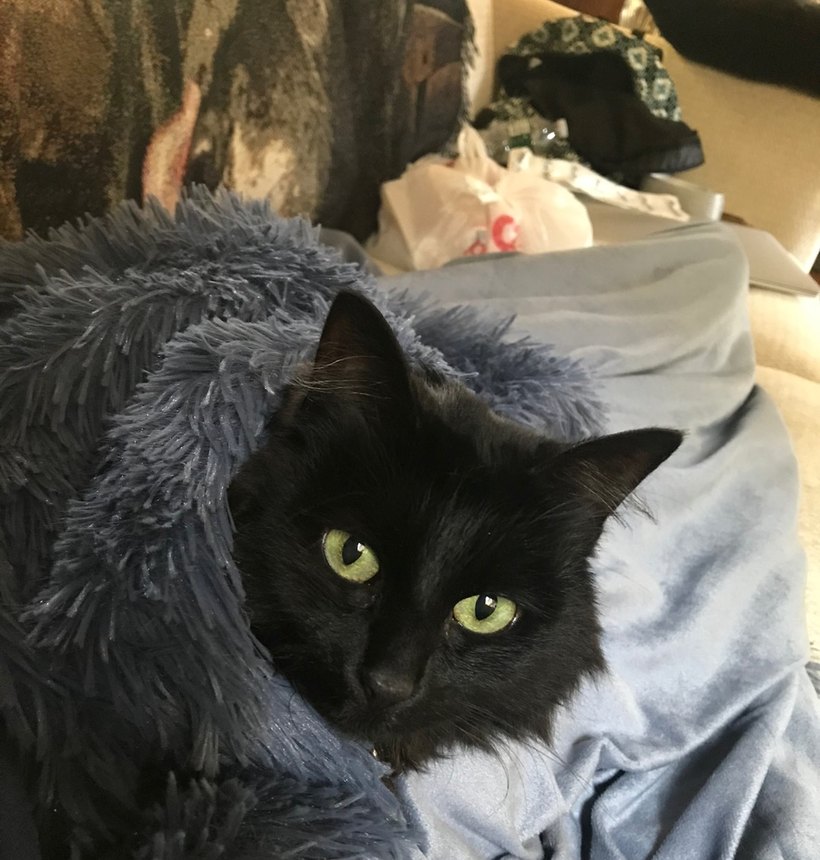
The Cade Feeder began with Mitzy, a cat who finished dinner in under a minute and wore it proudly, usually on the rug shortly thereafter. Slow-feed bowls helped a little. Electric feeders jammed, chirped low-battery complaints at three in the morning, and demanded an app login to serve kibble. So we built the feeder we could not buy: one that runs on a wound spring, keeps time like a clock, and serves a proper meal in patient, covered portions. Mitzy keeps her dinner down now. Kirby supervises.
The first batch · Strictly limited
Reserve your place.
Each instrument is made by hand, and the first batch is small. The waitlist secures launch pricing, first-batch delivery, and the personal name option.
Your place is held. We will write when the first batch is ready.
No noise. Only build letters and your invitation to order.